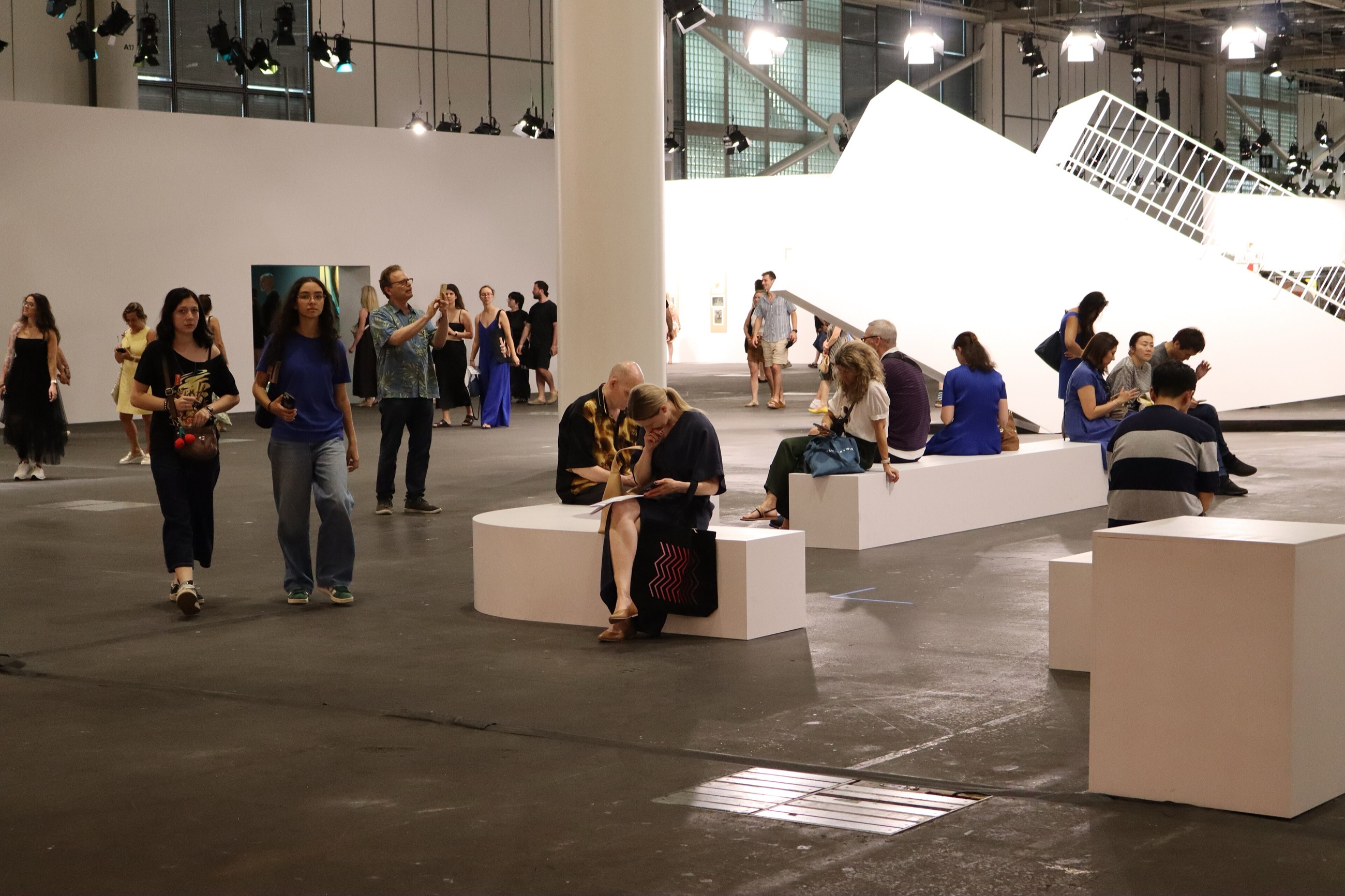
Data and Method Note
Art fairs do not publish complete transaction ledgers. The sales figures below are publicly reported by galleries, fair organizers, or independent art-market media; they should not be read as total fair turnover, broad market indexes, or evidence of investment returns. The purpose of this report is to compare market structures and observable signals, not to rank fairs by aggregate sales volume.
01 / The Oligopoly Paradox
In a recent essay, Neil Powell described the contemporary art market as an oligopoly: a small network of artists, galleries, auction houses, collectors, and cities captures a disproportionate share of attention and value.
The diagnosis is directionally useful. The global trade remains geographically concentrated: in 2025, the United States accounted for 44% of art-market sales by value, followed by the United Kingdom at 18% and China at 14%. Together, those three markets represented 76% of global sales.
The concentration is particularly visible at the high end. According to the 2026 Art Basel and UBS Global Art Market Report, global art sales increased 4% in 2025 to an estimated $59.6 billion. Dealer sales grew 2% to $34.8 billion, while public auction sales rose 9% to $20.7 billion. Yet the recovery was uneven. The value of auction lots sold above $1 million increased 21%, and sales above $10 million rose 30%. By contrast, sales below $50,000 declined 2% in both value and volume.
This is not simply a story of “the rich getting richer.” It is a repricing of how validation is distributed. The average number of unique buyers per dealer fell to 57 in 2025, its lowest level since 2021. For dealers with annual turnover below $250,000, the average fell to 29 buyers, a 40% year-on-year decline. Operating costs increased an estimated 5% on average, outpacing aggregate dealer-sales growth. These are real pressures on the middle of the market.
However, the data also complicate the familiar story of total collapse. Dealers with turnover below $500,000 reported double-digit increases in average sales. Mid-sized dealers with annual turnover between $1 million and $10 million saw their fair-sales share rise from 29% in 2024 to 36% in 2025. Published gallery openings also outnumbered closures: 42% of recorded announcements were openings, versus 25% closures. The market is not disappearing. It is becoming more selective, more expensive to operate within, and more dependent on clear signals of cultural credibility.
That is where cultural liquidity matters.
02 / Cultural Liquidity: The Missing Layer Between Attention and Price
Cultural liquidity is the capacity of an artist, artwork, or regional scene to circulate legitimacy. It develops through museum acquisitions, serious exhibitions, curatorial and scholarly attention, credible gallery representation, collector conversation, cross-border visibility, and sustained media presence.
Financial liquidity is narrower. It concerns whether an artwork can be sold within a workable time frame, at a reasonably knowable price, without relying on a single buyer or accepting a severe discount.
The relationship can be described as a chain:
- Public support & institutional validation
- Cultural visibility
- Collector coordination
- Primary-market demand
- Comparable transactions & repeat sales
- Financial liquidity
The chain is neither automatic nor mechanically reversible — though over time, it can bend into a loop.
Cultural attention can remain financially thin; a museum exhibition is not a resale guarantee. Financial demand can also exceed cultural durability, particularly when speculation outruns scholarship, institutional commitment, or a stable collector base. But without cultural liquidity, an art market rarely develops the information infrastructure needed for durable price discovery.
There is a further turn in the relationship, and it is easy to miss: over time, the chain bends back into a loop. Financial liquidity, once achieved, does not remain a purely economic fact. Record prices make headlines, collections confer identity, and proximity to art-world wealth becomes a lived, aspirational experience that people want to embody within the cultural scene. Being financially advanced is itself a captivating culture. The salesroom becomes part of the theater.
In that sense, the financial liquidity that cultural liquidity indirectly produced eventually re-enters the system as cultural liquidity: landmark sales draw new audiences, new entrants seek the experience of participation, and the market’s own vitality becomes a reason to belong. This feedback loop is part of why concentrated markets keep regenerating attention. It also carries the system’s central risk: when the culture of wealth begins to substitute for the culture of art, the loop recycles spectacle instead of legitimacy — and it is only as durable as the legitimacy it recycles.
The three major fairs of the first half of 2026 illustrate three different versions of that process.
03 / India: Domestic Demand as Market Infrastructure
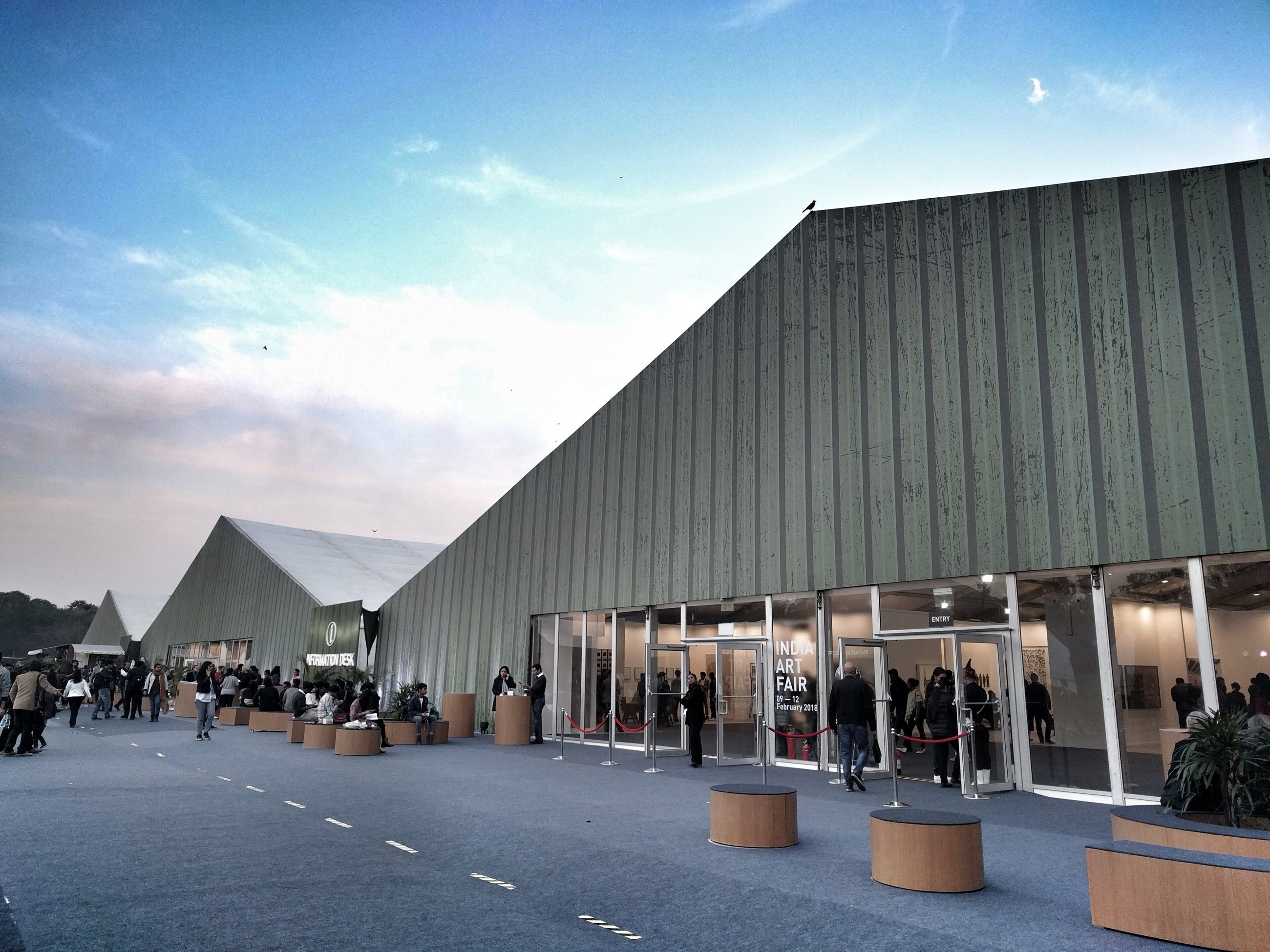

India Art Fair’s 17th edition in New Delhi offered the clearest evidence that South Asian demand is becoming less dependent on validation from London, New York, or Basel.
The fair brought together a record 135 exhibitors, while its opening attracted established local collectors alongside VIP visitors arriving directly from Art Basel Qatar.
The most important sign was not a single trophy sale, but the distribution of demand across price levels, galleries, and institutions. Vadehra Art Gallery reported that approximately 80% of its booth sold by the end of the first day, with works by artists including Atul Dodiya, Manjit Bawa, and Sudhir Patwardhan priced between $6,000 and $600,000. The Kiran Nadar Museum of Art and other institutions made acquisitions. Art and Charlie, a younger gallery, reported that all but one work had sold on opening day, including five institutional placements; its works were priced below $10,000. David Zwirner also reported sales of two Huma Bhabha sculptures, a Suzan Frecon painting, and a Wolfgang Tillmans photograph during the VIP days.
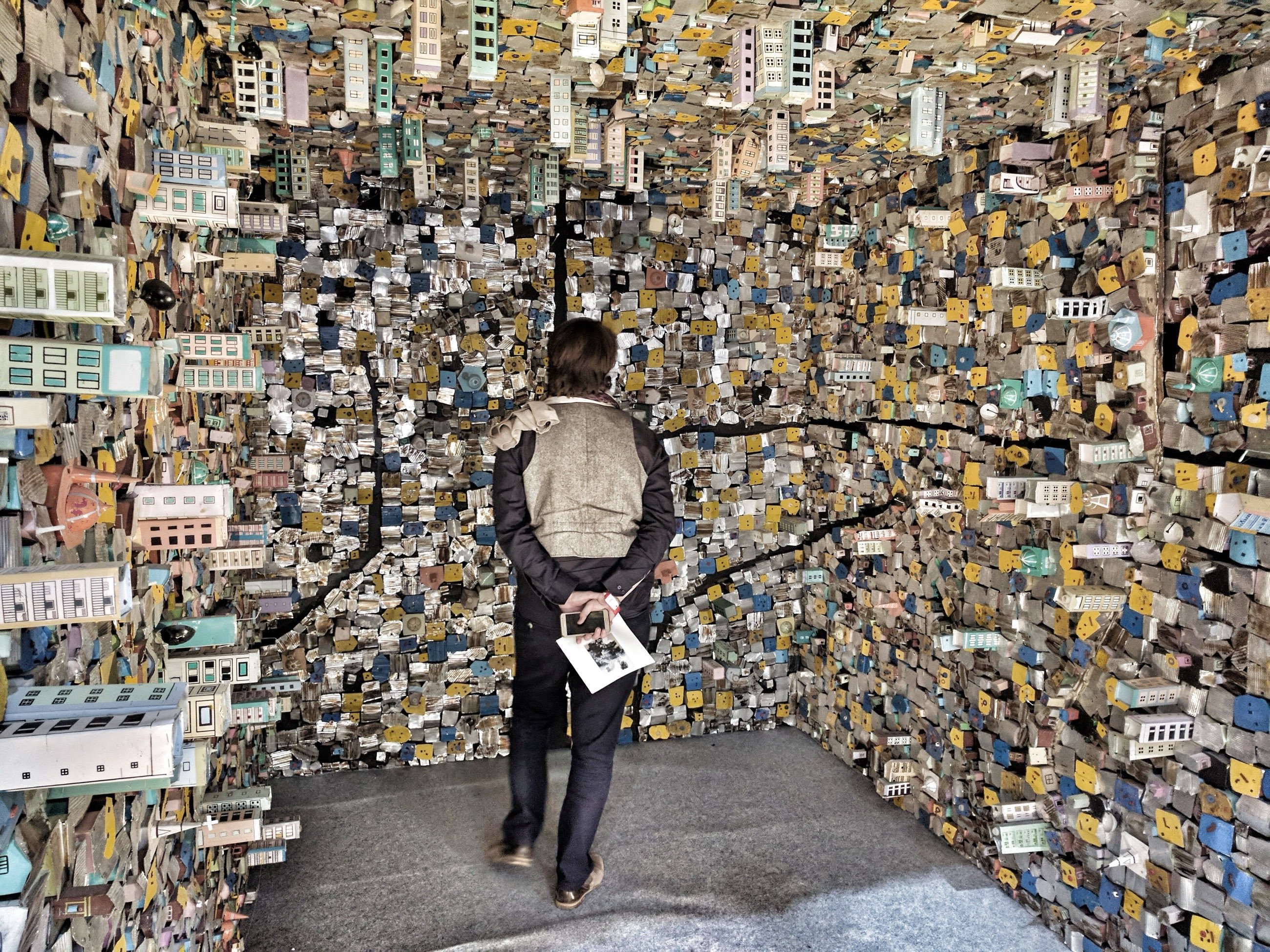

These fair results sit within a broader domestic signal. The Hurun India Art List 2025 reported that the country’s leading artists generated a record ₹310 crore, or roughly $37 million, in cumulative sales value, up 3% year on year. Auction volume rose 26% to 995 sold lots, while 78% of the artists included in the ranking recorded increases in cumulative sales value.
There is also a broader macro lens for reading India’s trajectory: luxury-market penetration as a leading proxy indicator of contemporary-art-market maturity. Luxury-sector expansion often functions as an early market signal of an emerging collector class. As conspicuous consumption becomes normalized among newly affluent consumers, discretionary spending can migrate toward more durable forms of cultural capital, including contemporary art.
The relationship is visible in reverse as well. In 2024, China’s personal luxury market was estimated to have contracted by roughly 18–20%, while modern and contemporary art auction sales in mainland China and Hong Kong fell by roughly 33%. The two declines do register a visible resonance of the same contraction in wealth confidence and discretionary spending — but two falling curves alone cannot establish that the first caused the second.
India currently sits on the other side of that signal: the rise of private enterprise, technology wealth, and the local upper middle class is converting luxury consumption into a collector base.
None of this proves that Indian contemporary art is broadly liquid in a financial sense. The data remain selective, the market is still artist-specific, and private sales are not transparent. But it does indicate a thicker demand base than a purely speculative boom: collectors, institutions, galleries, and artists are participating across multiple price bands. India’s strength is not that it has become Basel. Its strength is that cultural legitimacy is becoming locally rooted before becoming globally portable.
In investment terms, India offers a demand signal. The next question is whether that demand will produce repeatable secondary-market comparables, a wider international buyer base, and enough transaction frequency to support reliable price discovery.
Museums, foundations, art festivals and biennials, gallery density, curators, and art education.
Local collectors begin buying younger artists, joining international art fairs, and establishing private foundations.
International galleries entering, auction-house presence, cross-border buyers, art logistics, and tax and regulatory ease.
Against that roadmap, India’s innovative art fairs are currently delivering a strong growth signal. The next development to expect is international galleries establishing a permanent presence, and more Indian artists crossing into the blue-chip system. The South Asian diaspora is also becoming activated as a bridge, connecting Indian artists to Middle Eastern markets such as Qatar. Collectively, these are encouraging signs for the ecosystem’s harder plumbing: art logistics and shipping, and better tax law and legislation.
04 / Qatar: State Capacity as Cultural Underwriting
.jpg)
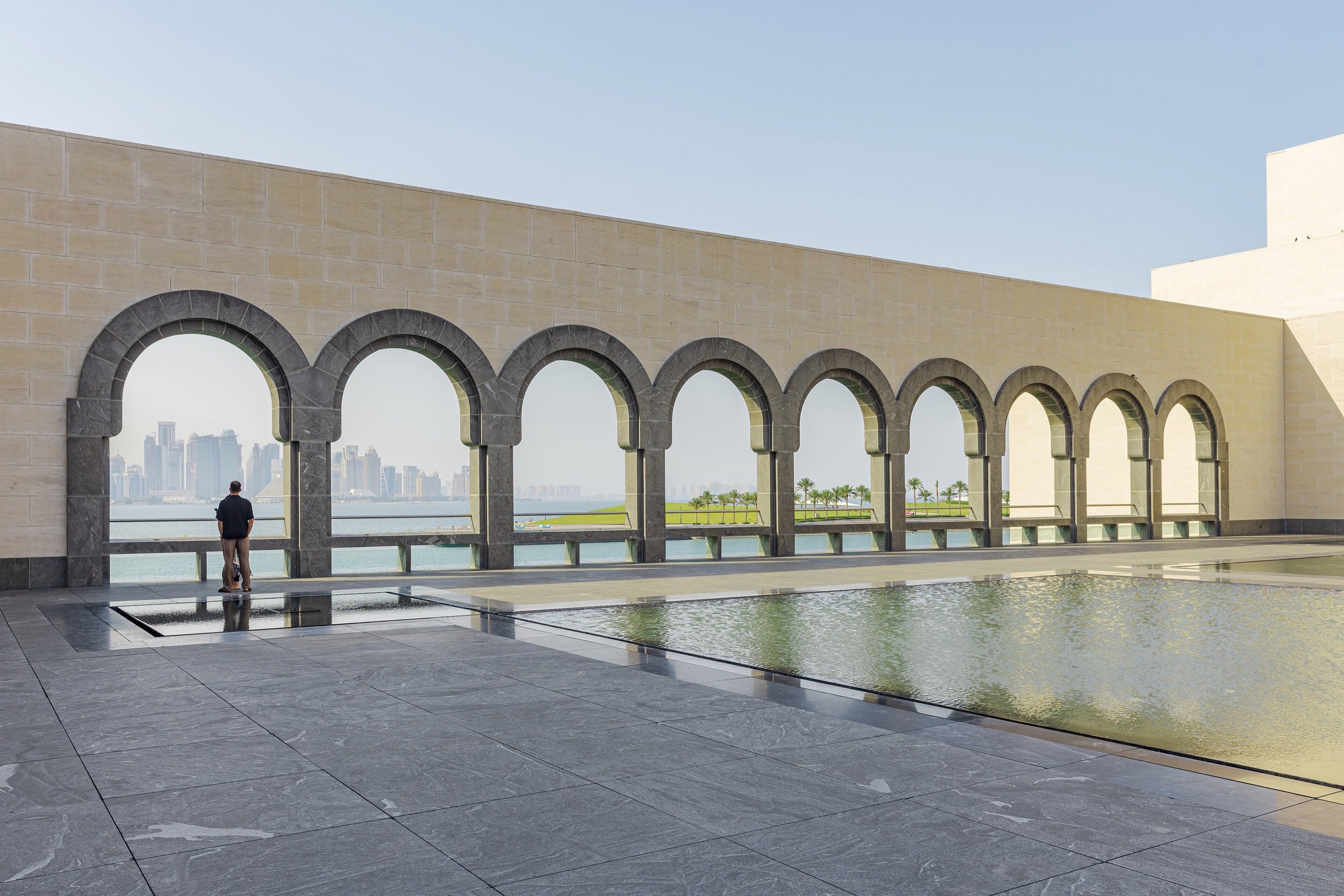
If India demonstrates demand formation, Qatar demonstrates structural patience.
Art Basel Qatar’s inaugural edition brought 87 galleries from 31 countries and territories to Doha, including 16 first-time Art Basel exhibitors. More than 85 museums and foundations attended, from Qatar’s Art Mill Museum, Mathaf, and the Museum of Islamic Art to institutions including the Whitney Museum, Tate, Palais de Tokyo, Fondation Beyeler, LACMA, MoMA PS1, Leeum, and the Pinault Collection. The fair’s public talks program drew nearly 2,500 attendees and recorded the highest average attendance per session in the history of Art Basel Conversations.
The commercial picture was deliberately more opaque. Art Basel reported sales across a range of price points but did not release aggregate turnover. Independent reporting nevertheless documented a broad spectrum of gallery-reported transactions. Saudi gallery ATHR sold nine works by Ahmed Mater priced from $45,000 to $220,000. Almine Rech reported selling a majority of its Ali Cherri presentation, including $35,000 watercolors and sculptures priced up to $153,000. David Kordansky Gallery placed several Lucy Bull paintings priced between $375,000 and $450,000. Thaddaeus Ropac sold two Raqib Shaw paintings for £225,000 and £375,000. Perrotin reported demand for Ali Banisadr paintings priced above $600,000.
These figures should not be converted into a claim about “Qatar’s market size.” They are too partial, too privately negotiated, and too shaped by a highly curated event. Their importance lies elsewhere. Qatar is using state-backed cultural infrastructure to reduce the costs of market formation: museums, commissions, public programs, education, international convening power, and a fair platform capable of connecting regional artists with global galleries and institutions.
This is different from simply saying that “the Gulf has money.” Capital alone does not create a durable art ecosystem. Cultural underwriting does: the willingness to finance the institutions, commissions, exhibitions, archives, scholarship, and cross-border conversations through which artists become legible to collectors over time.
New York and San Francisco illustrate a more decentralized public version of the same principle. New York City’s FY2026 budget included $75 million in new cultural investment through the Department of Cultural Affairs budget cycle. San Francisco’s Arts Commission awarded $10.4 million to 151 artists, nonprofit organizations, and cultural groups in its 2025–26 grant cycle. These municipal systems are not comparable in scale or political form to Qatar’s sovereign-backed model. They nonetheless show that public support is not peripheral to market formation: it sustains the exhibitions, organizations, artists, and audiences from which private demand can later emerge.
Qatar supplies structural patience. It is building cultural liquidity before expecting fully transparent financial liquidity.
05 / Basel: Where Cultural Capital Becomes Globally Legible
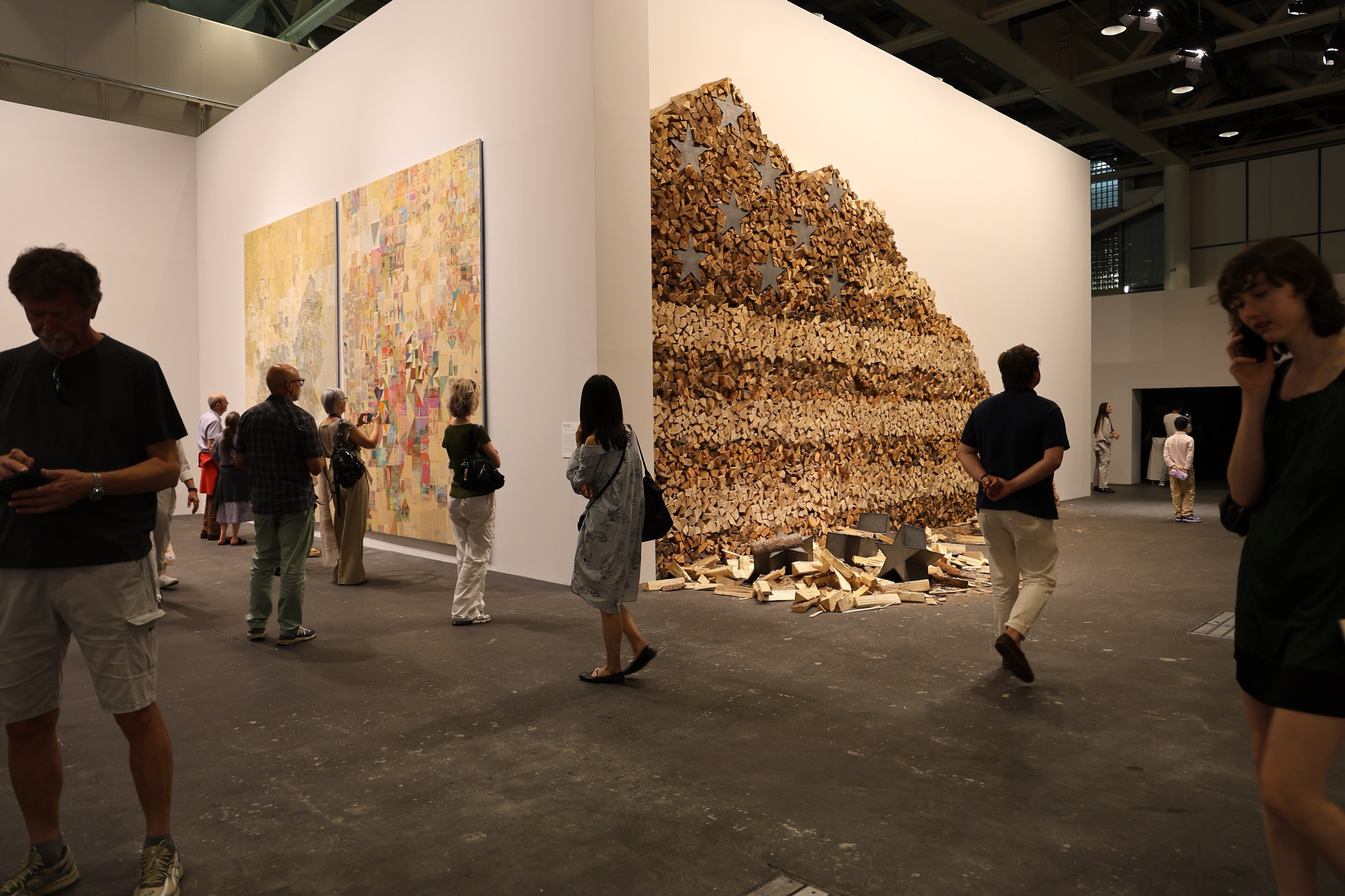

Basel occupies the third position in this system: international validation.
The 2026 edition of Art Basel brought together 290 galleries from 43 countries, presenting work by more than 4,000 artists. It welcomed approximately 90,000 visitors across preview and public days, while drawing collectors and arts professionals from 103 countries. Its strength was not simply high prices, although the highest reported transactions were substantial: Hauser & Wirth sold a Pablo Picasso with a reported asking price of $35 million and a Gerhard Richter for $20 million.
More revealing, however, were the transactions that linked primary-market work, institutional placement, and long-term cultural visibility. David Zwirner reported the sale of Elizabeth Peyton’s Transmission (E, rose) for $1.2 million, while an Isa Genzken installation sold to a European museum for €1.2 million. In the Unlimited sector, one new Victor Man painting sold for €1 million, and three Josef Albers works generated $2.3 million in reported sales.
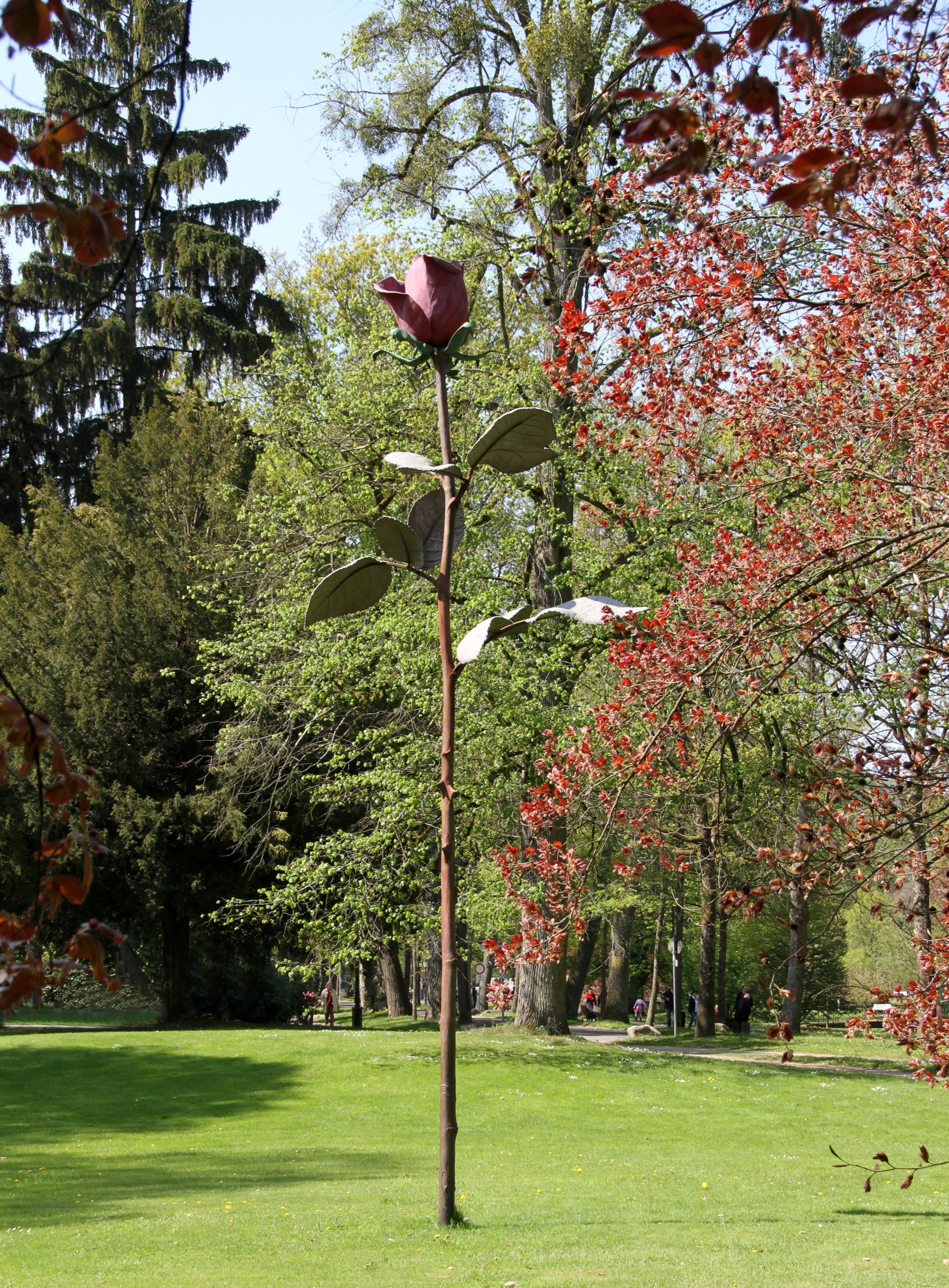

These examples are still selectively disclosed and cannot serve as an index. But they reveal what Basel does unusually well: it coordinates a dense international network of galleries, museums, advisors, collectors, and art-historical narratives. It makes cultural legitimacy portable across borders and commercially actionable across multiple market channels.
Basel therefore offers the deepest bridge between cultural and financial liquidity among the three cases. It has stronger secondary-market comparables, a more established advisor network, and a longer history of cross-border price discovery. Yet it is not frictionless. Art remains episodic, heterogeneous, expensive to transact, and dependent on relationships. Basel is not a public exchange. It is a highly efficient meeting point for private-market validation.
06 / The Investor Interpretation: Selectivity, Not a Blanket Buy Signal

The current recalibration creates a selective opportunity set, not an argument to buy contemporary art indiscriminately.
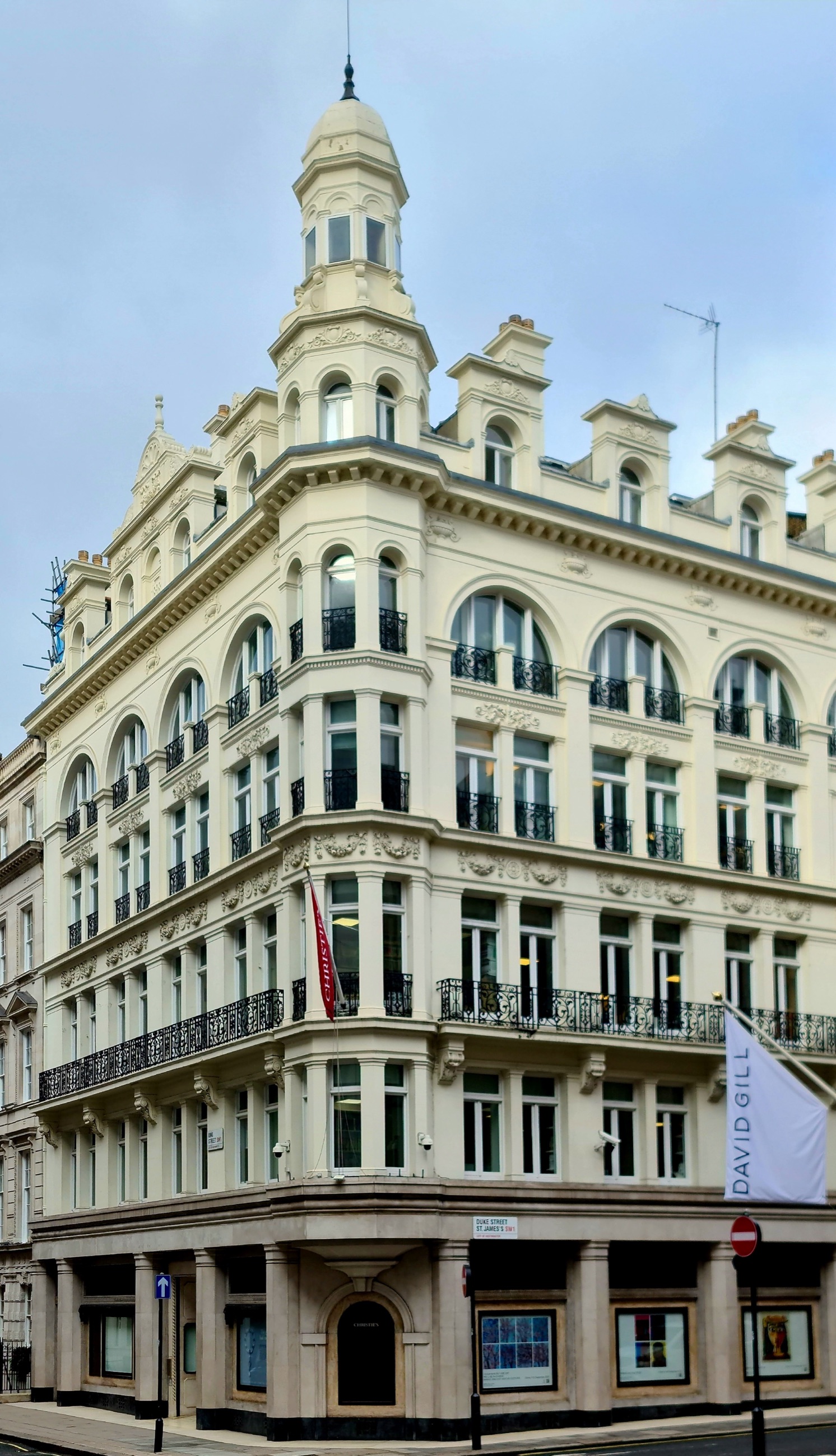
The June 2026 Christie’s sale of works from the Zabludowicz Collection illustrates why. The live auction generated £15.4 million with fees, selling 89% of lots and 97% by value. Yet three lots were withdrawn, seven failed to sell, and outcomes varied dramatically across artists. Aaron Curry’s Pixelator (Infinite Mask) sold for £381 against a £10,000 low estimate, while a Thomas Houseago sculpture exceeded its high estimate. The lesson is not that the collection failed. It is that resale depth is uneven, even within a sophisticated collection built around discovery and risk.
Likewise, Marlborough Gallery’s 2024 closure after nearly eight decades should not be read as proof that the art market is ending. It is a reminder that legacy, inventory, and brand recognition do not eliminate the need for adaptive operations, sustainable economics, artist trust, and a current distribution strategy.
The useful implication for investors is not to chase the loudest fair, the most expensive sale, or the most visible gallery. It is to identify where cultural validation is becoming durable enough to support future financial liquidity. That requires evidence: a widening buyer base, institutional engagement, sustained gallery support, transparent comparables where available, repeat transactions, realistic holding periods, and net-of-cost analysis.
07 / Conclusion
The first half of 2026 suggests that the contemporary art market is reallocating attention through different infrastructures rather than moving as a single global cycle.
India shows how domestic collectors and institutions can create a demand base with room to travel internationally. Qatar shows how public and state-backed cultural infrastructure can build the long-term conditions for a regional market. Basel shows how global validation can convert cultural capital into the most established available form of price discovery.
Cultural liquidity does not eliminate investment risk. It does, however, explain why contemporary art continues to attract capital: art is not only an asset category, but a medium through which cities, states, institutions, and collectors establish relevance, identity, and historical presence. The opportunity is not “contemporary art” in the abstract. It is recognizing where cultural legitimacy is becoming durable, measurable, and transferable before that process is fully reflected in financial prices.